Operational from March 2024, PULIHARA builds upon the conservation projects initiated and developed by Lang Tengah Turtle Watch (LTTW). Founded in 2013 by Hayati Mokhtar and Raphe van Zevenbergen, LTTW set out with determination — to stem the flow of turtle eggs destined to be sold at market for human consumption. Establishing responsible tourism initiatives along the way — serving as platforms to engage a wider audience and support their work — LTTW’s conservation scope also grew to embrace the exploration of forests and restoration of reefs. Seeking to inspire and inform the public as far as possible, extensive programmes were launched conducting outreach, education and research.
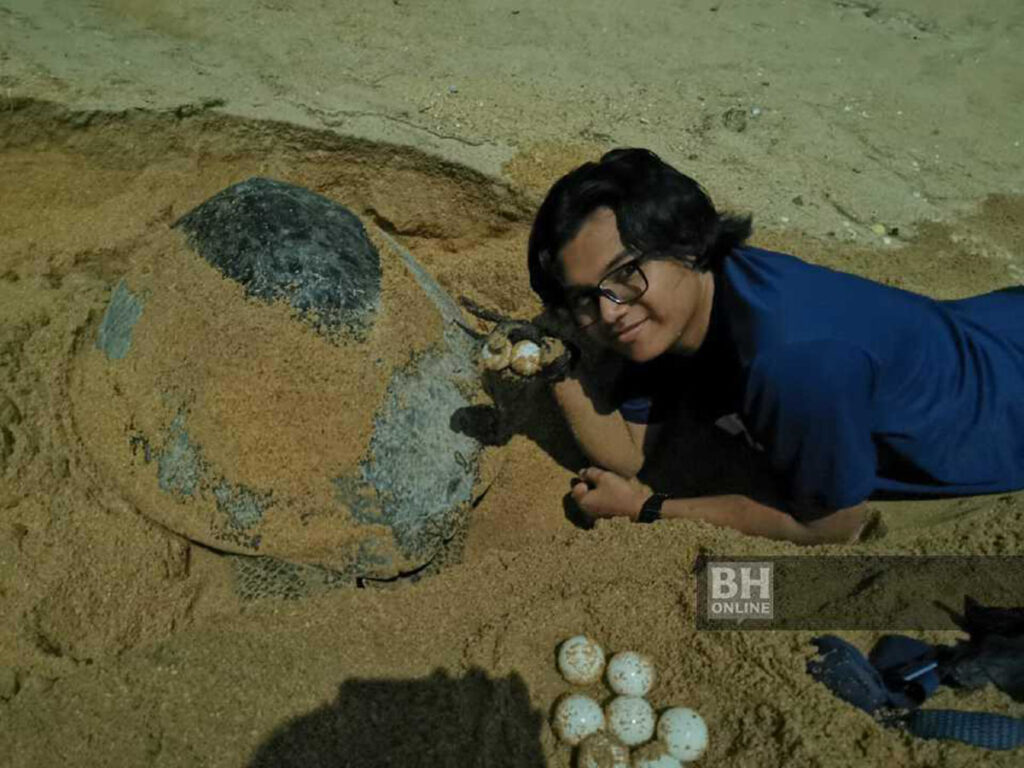
Running until 2024, LTTW safeguarded 264,302 turtle eggs from human consumption, of which 208,657 were successfully hatched; out-planted 405 corals back onto degraded reefs; removed 19,753.25kg of rubbish from the beaches and reefs; and interacted with many thousands of citizens, both locally and around the globe. LTTW’s drive, partnerships and conservation legacy endures through PULIHARA — continuing to protect endangered marine species and ecosystems with practical conservation, research, outreach and community engagement.
Lorem ipsum dolor sit amet, consectetur adipiscing elit. Ut elit tellus, luctus nec ullamcorper mattis, pulvinar dapibus leo.
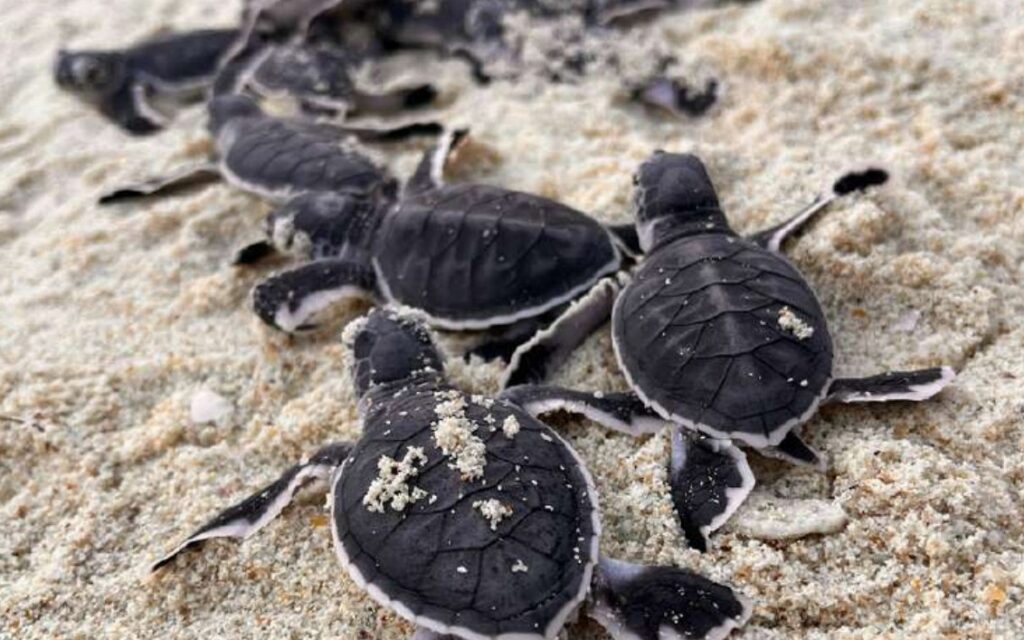
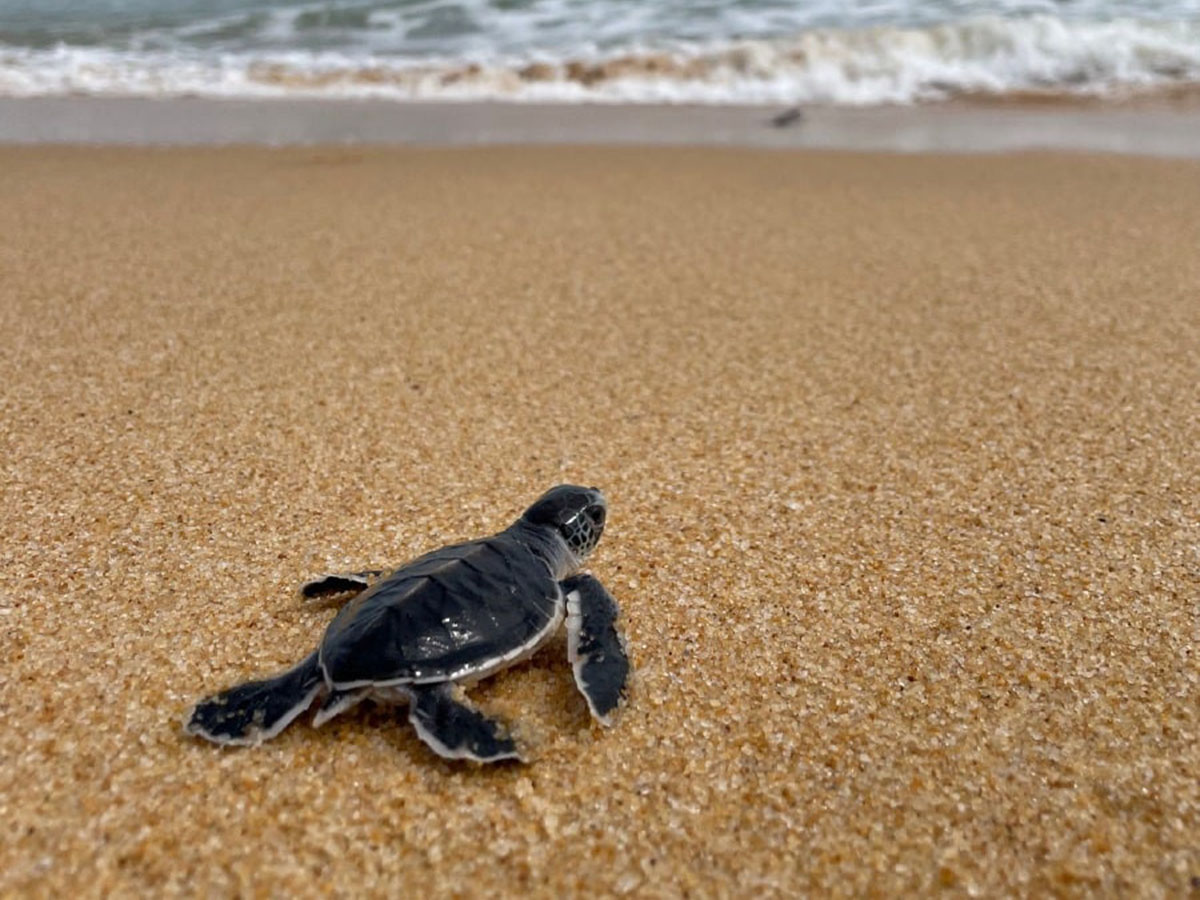
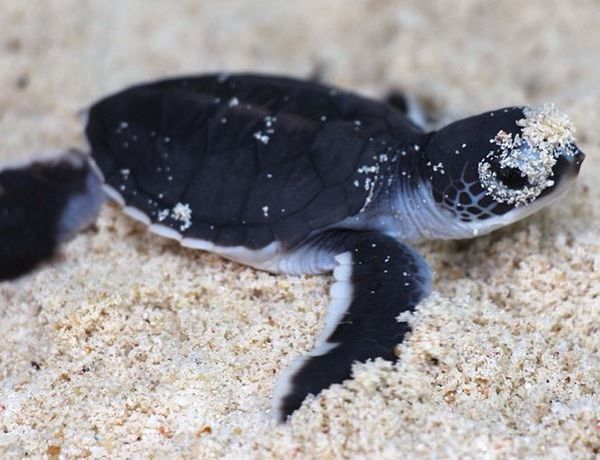
Threats to turtles go beyond just the consumption of eggs; they also involve accidental bycatch in fishing gear, boat strikes, habitat destruction, natural predation, and many more. Our conservation efforts are instrumental in bolstering the numbers of endangered green sea turtles and critically endangered painted terrapins in Terengganu. Thus ensuring that a maximum number of hatchlings safely make their way to the sea.
With the promulgation of the Turtle Enactment 1951 (Amendment 2021) which came into effect on 1 June 2022, the sale of turtle eggs is now prohibited. Although licences are still being granted to egg collectors, it is a condition of the licence that the eggs must be incubated by the Department of Fisheries or NGOs such as PULIHARA. In any event, looking forward to 2024, our aim is to surpass our previous achievements by continuing to protect as many nests as possible. However, to accomplish this objective and sustain our growth, we require assistance.
By adopting a nest, you are supporting our diverse groundwork efforts to aid all turtle species throughout various stages of their lives. Afterwards you will receive regular updates on the progress of your nest, including information on when we anticipate hatchlings will emerge and embark on their journey into the ocean.
Endangered green turtles and critically endangered hawksbill turtles are found in Terengganu, where our project sites are situated. To gain a deeper understanding of their population dynamics, we employ tagging and photo-identification techniques to document each nesting and in-water turtle encounter. Currently, our sea turtle database contains records of 281 green turtles and 21 hawksbill turtles. These turtles face daunting odds to reach adulthood, as statistics suggest that only about 1 in 1,000 sea turtle hatchlings survive to maturity. Demonstrating site fidelity, sea turtles often return to the same nesting and foraging grounds. Continuous monitoring of these areas allows us to gather valuable insights into their populations and implement enhanced protection measures.
By adopting a turtle, you are contributing to our conservation, research, and outreach efforts at our project sites in Pulau Lang Tengah, Tanjong Jara Resort, and Chakar Hutan, Terengganu, Malaysia. Your adoption funds our operations, covering essential supplies and equipment for beach patrols and in-water surveys. You will receive updates about your adopted turtle, informing you of its nesting and feeding activities in the area. Additionally, you will receive an annual report specific to the location where your adopted turtle was sighted, whether it’s on Pulau Lang Tengah, Tanjong Jara Resort, or Chakar Hutan.
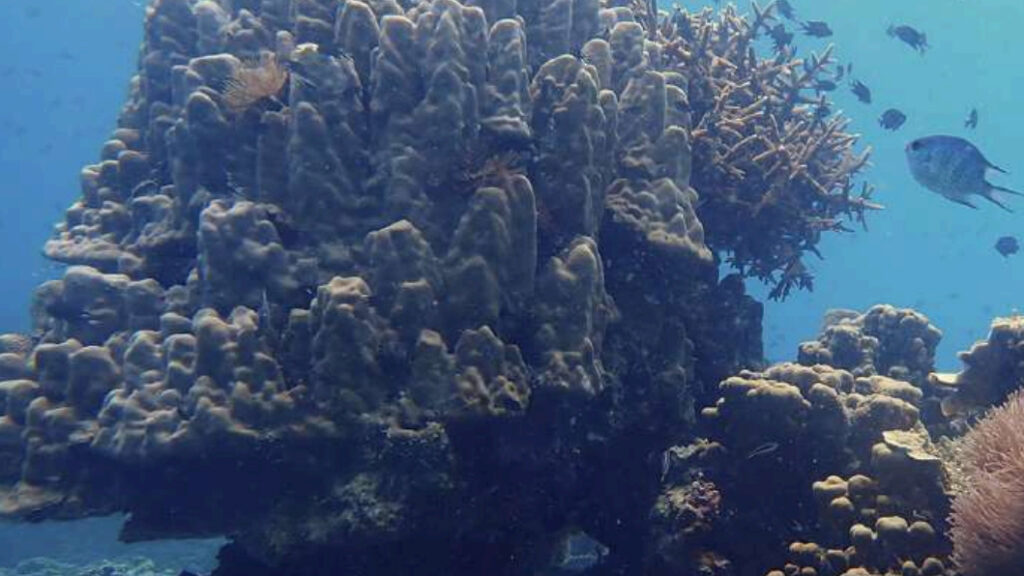
Coral reefs, often referred to as the “rainforests of the sea,” stand out as one of the most diverse ecosystems globally. They provide crucial habitats for marine life, including sea turtles, offering them refuge and sustenance concurrently. However, coral reef ecosystems face various threats, including diseases, predation, pollution, sedimentation, unsustainable fishing practices, and climate change, which can result in coral breakage, bleaching, and potential mortality.
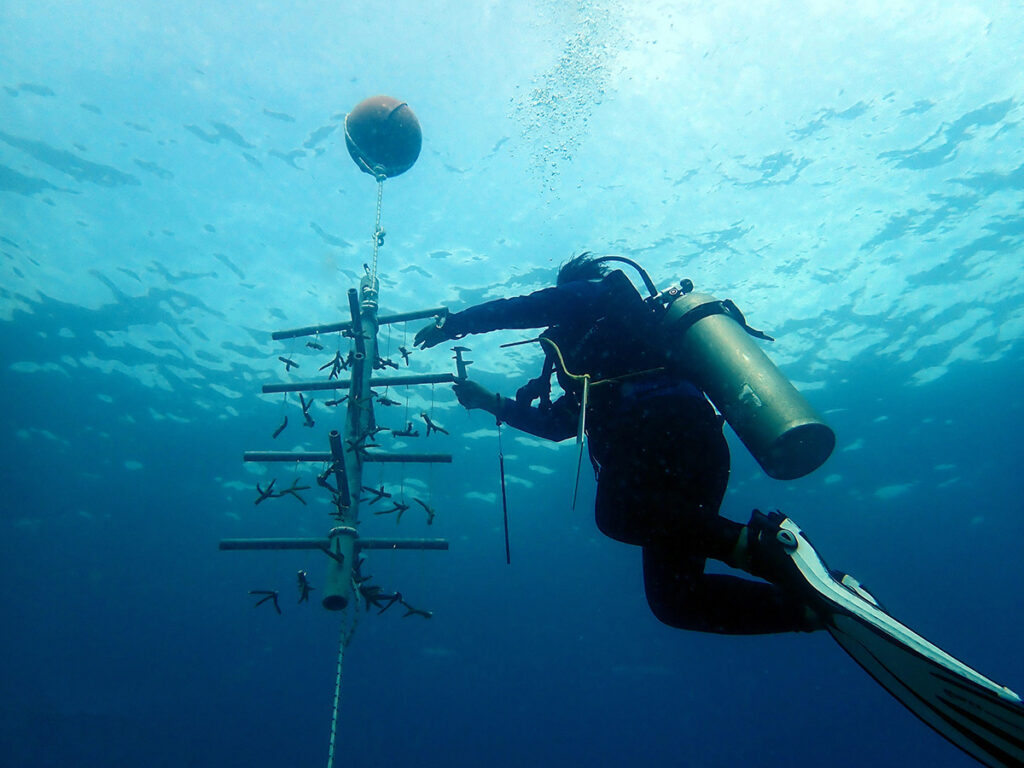
Corals possess the capacity to recover if environmental conditions improve before their demise. In order to address the decline of coral reefs and rehabilitate damaged areas, we gather “corals of opportunity,” cultivate them in nurseries, and subsequently relocate them to impaired regions. These corals of opportunity consist of fragments naturally dislodged from parent colonies or substrates. In 2021, our coral nurseries nurtured 356 coral fragments representing five species: Acropora muricata, Porites cylindrica, Hydnophora rigida, Acropora florida, and Acropora longicyathus. Twenty-four coral fragments of Acropora muricata and Porites cylindrica, cultivated in our nursery since early 2020, were transplanted to natural reefs.
The restoration of coral reefs demands ongoing dedication, and we seek your assistance in this endeavour; specifically you can adopt a piece of coral. With your backing when you adopt a coral, we can salvage more corals that have previously suffered damage by cultivating them in nurseries before reintroducing them to their natural habitats. As an adopter of a coral, you will receive detailed information about the species and size of the coral you support. Updates on the growth and condition of your adopted coral in the nursery, along with its GPS location post-transplantation to natural reefs, will be provided. Furthermore, six months after transplantation, you will receive a personalised coral e-card featuring a photo of your adopted coral thriving in its natural environment. By adopting a coral, you become an integral part of the coral reef restoration efforts on Pulau Lang Tengah.
Whether sighted in-water or during a nesting event, each individual identified using the photo-identification method is given a unique Turtle ID. This ID is usually accompanied by a name, which helps us recognise the individuals when we chance upon them again. As our photo-identification database expands, more turtles are waiting in line to be named.
Through this programme, you not only get to choose a special moniker for an individual turtle but also support critical conservation efforts – fostering a personal connection to the amazing marine world. Join us in making a difference today and let’s protect our oceans together, one turtle at a time.
Threats to turtles go beyond just the consumption of eggs; they also involve accidental bycatch in fishing gear, boat strikes, habitat destruction, natural predation, and many more. Our conservation efforts are instrumental in bolstering the numbers of endangered green sea turtles and critically endangered painted terrapins in Terengganu. Thus ensuring that a maximum number of hatchlings safely make their way to the sea.
With the promulgation of the Turtle Enactment 1951 (Amendment 2021) which came into effect on 1 June 2022, the sale of turtle eggs is now prohibited. Although licences are still being granted to egg collectors, it is a condition of the licence that the eggs must be incubated by the Department of Fisheries or NGOs such as PULIHARA. In any event, looking forward to 2024, our aim is to surpass our previous achievements by continuing to protect as many nests as possible. However, to accomplish this objective and sustain our growth, we require assistance.
By adopting a nest, you are supporting our diverse groundwork efforts to aid all turtle species throughout various stages of their lives. Afterwards you will receive regular updates on the progress of your nest, including information on when we anticipate hatchlings will emerge and embark on their journey into the ocean.
Endangered green turtles and critically endangered hawksbill turtles are found in Terengganu, where our project sites are situated. To gain a deeper understanding of their population dynamics, we employ tagging and photo-identification techniques to document each nesting and in-water turtle encounter. Currently, our sea turtle database contains records of 281 green turtles and 21 hawksbill turtles. These turtles face daunting odds to reach adulthood, as statistics suggest that only about 1 in 1,000 sea turtle hatchlings survive to maturity. Demonstrating site fidelity, sea turtles often return to the same nesting and foraging grounds. Continuous monitoring of these areas allows us to gather valuable insights into their populations and implement enhanced protection measures.
By adopting a turtle, you are contributing to our conservation, research, and outreach efforts at our project sites in Pulau Lang Tengah, Tanjong Jara Resort, and Chakar Hutan, Terengganu, Malaysia. Your adoption funds our operations, covering essential supplies and equipment for beach patrols and in-water surveys. You will receive updates about your adopted turtle, informing you of its nesting and feeding activities in the area. Additionally, you will receive an annual report specific to the location where your adopted turtle was sighted, whether it’s on Pulau Lang Tengah, Tanjong Jara Resort, or Chakar Hutan.
Coral reefs, often referred to as the “rainforests of the sea,” stand out as one of the most diverse ecosystems globally. They provide crucial habitats for marine life, including sea turtles, offering them refuge and sustenance concurrently. However, coral reef ecosystems face various threats, including diseases, predation, pollution, sedimentation, unsustainable fishing practices, and climate change, which can result in coral breakage, bleaching, and potential mortality.
Corals possess the capacity to recover if environmental conditions improve before their demise. In order to address the decline of coral reefs and rehabilitate damaged areas, we gather “corals of opportunity,” cultivate them in nurseries, and subsequently relocate them to impaired regions. These corals of opportunity consist of fragments naturally dislodged from parent colonies or substrates. In 2021, our coral nurseries nurtured 356 coral fragments representing five species: Acropora muricata, Porites cylindrica, Hydnophora rigida, Acropora florida, and Acropora longicyathus. Twenty-four coral fragments of Acropora muricata and Porites cylindrica, cultivated in our nursery since early 2020, were transplanted to natural reefs.
The restoration of coral reefs demands ongoing dedication, and we seek your assistance in this endeavour; specifically you can adopt a piece of coral. With your backing when you adopt a coral, we can salvage more corals that have previously suffered damage by cultivating them in nurseries before reintroducing them to their natural habitats. As an adopter of a coral, you will receive detailed information about the species and size of the coral you support. Updates on the growth and condition of your adopted coral in the nursery, along with its GPS location post-transplantation to natural reefs, will be provided. Furthermore, six months after transplantation, you will receive a personalised coral e-card featuring a photo of your adopted coral thriving in its natural environment. By adopting a coral, you become an integral part of the coral reef restoration efforts on Pulau Lang Tengah.
Whether sighted in-water or during a nesting event, each individual identified using the photo-identification method is given a unique Turtle ID. This ID is usually accompanied by a name, which helps us recognise the individuals when we chance upon them again. As our photo-identification database expands, more turtles are waiting in line to be named.
Through this programme, you not only get to choose a special moniker for an individual turtle but also support critical conservation efforts – fostering a personal connection to the amazing marine world. Join us in making a difference today and let’s protect our oceans together, one turtle at a time.
Lorem ipsum dolor sit amet, consectetur adipiscing elit. Nam congue risus sit amet ligula semper aliquam. Donec interdum dapibus sem non commodo. Integer quis pulvinar libero. Vestibulum mollis lorem sit amet felis aliquam hendrerit. Vivamus rutrum odio dapibus purus scelerisque consequat. Ut interdum, orci non feugiat finibus, ipsum leo ullamcorper nisl, sit amet pulvinar lacus augue et turpis.
Sed auctor lorem vitae lorem ultricies euismod. Etiam interdum a lorem id facilisis. Integer imperdiet pharetra eros nec ornare. Nullam enim enim, consectetur varius molestie eu, mattis eget ipsum.